
In an era of rising grocery costs and economic uncertainty, the Supplemental Nutrition Assistance Program (SNAP)—commonly known as food stamps remains a lifeline for over 41 million Americans, helping families afford nutritious food without sacrificing dignity. If you’re wondering, “What is the highest income to qualify for SNAP?” you’re in the right place. This non-partisan program, administered by the USDA, uses federal poverty guidelines to set eligibility thresholds, with states adding their own tweaks. For fiscal year 2026 (October 1, 2025–September 30, 2026), we’ll break down the exact income limits, deductions, and application tips to help you determine if you qualify—and how SNAP can unlock additional perks like free laptops for low-income families. Let’s dive in and empower you with the facts.
What Is SNAP and Why Does It Matter?
SNAP is a federal program designed to reduce food insecurity by providing electronic benefits transfer (EBT) cards for purchasing groceries at authorized stores. It’s not welfare—it’s a targeted support system that adjusts benefits based on household size, income, and expenses, averaging $188 per person monthly in 2026. Beyond nutrition, SNAP connects to other aids like free school lunches, utility discounts via LIHEAP, and even free laptops with EBT for digital access. In 2026, with inflation easing but costs high, understanding the highest income to qualify for SNAP can be a game-changer for working families, seniors, and students.
How Does SNAP Help Low-Income Families?
Eligible households receive benefits through an EBT card, which can be used to buy approved items at participating stores. States like Texas and Illinois tailor their programs to local needs, offering additional support for families.
Key Factors Affecting SNAP Eligibility
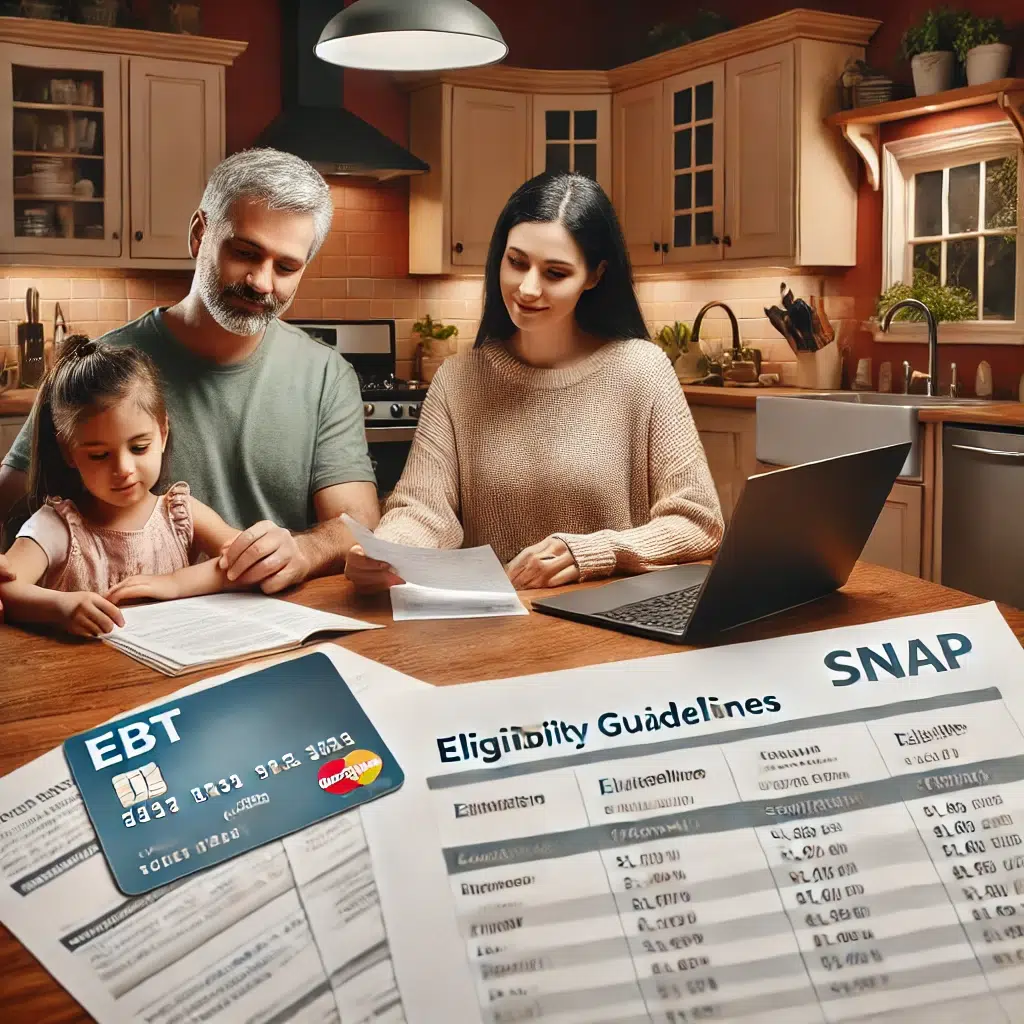
Eligibility isn’t just about income—it’s a holistic assessment. Key elements include:
- Household Size: Everyone who lives and eats together counts, including children, spouses, and roommates sharing meals.
- Gross vs. Net Income: Gross is your total earnings before taxes/deductions; net is after allowable subtractions (more below). Most households must meet both.
- Citizenship/Immigration Status: U.S. citizens and certain legal immigrants qualify; undocumented members don’t count toward household size but can apply for eligible children.
- Work Requirements: Able-bodied adults without dependents (ABAWDs) may face time limits, though exemptions apply for students, caregivers, or those in training.
- Special Groups: Seniors (60+), disabled individuals, and pregnant people often have relaxed rules, like no gross income test.
Pro Tip: Use an online screener like Benefits.gov to estimate eligibility quickly.
Why Income Limits Matter
Income thresholds ensure that benefits are distributed fairly and prevent misuse of resources. Programs like senior SNAP income limits ensure tailored support for vulnerable groups, like the elderly.
SNAP Income Limits for 2026: Gross vs. Net Explained
The highest income to qualify for SNAP is tied to the Federal Poverty Level (FPL), updated annually. For 2026, gross income must be at or below 130% FPL (except for elderly/disabled households at 165% in some cases), and net at 100% FPL. Here’s the breakdown for the 48 contiguous states (higher in Alaska/Hawaii):
Contiguous U.S., DC, Guam, Virgin Islands
| Household Size | Gross Monthly Income (130% FPL) | Net Monthly Income (100% FPL) |
|---|---|---|
| 1 | $1,632 | $1,255 |
| 2 | $2,215 | $1,704 |
| 3 | $2,798 | $2,152 |
| 4 | $3,380 | $2,600 |
| 5 | $3,963 | $3,049 |
| 6 | $4,546 | $3,497 |
| 7 | $5,129 | $3,945 |
| 8 | $5,712 | $4,394 |
| Each Additional | +$583 | +$449 |
Alaska
| Household Size | Gross Monthly Income (130% FPL) | Net Monthly Income (100% FPL) |
|---|---|---|
| 1 | $2,038 | $1,568 |
| 2 | $2,767 | $2,129 |
| 3 | $3,496 | $2,690 |
| 4 | $4,225 | $3,250 |
| 5 | $4,955 | $3,811 |
| 6 | $5,684 | $4,372 |
| 7 | $6,413 | $4,933 |
| 8 | $7,142 | $5,494 |
| Each Additional | +$730 | +$561 |
Hawaii
| Household Size | Gross Monthly Income (130% FPL) | Net Monthly Income (100% FPL) |
|---|---|---|
| 1 | $1,876 | $1,443 |
| 2 | $2,546 | $1,959 |
| 3 | $3,217 | $2,475 |
| 4 | $3,887 | $2,990 |
| 5 | $4,558 | $3,506 |
| 6 | $5,229 | $4,022 |
| 7 | $5,899 | $4,538 |
| 8 | $6,570 | $5,054 |
| Each Additional | +$671 | +$516 |
For elderly/disabled separate households, gross limits rise to 165% FPL (e.g., contiguous US 1-person: $2,071). Always verify with your state, as some use Broad-Based Categorical Eligibility (BBCE) to expand limits.
State-Specific Variations (e.g., Texas, Illinois, Pennsylvania)
While federal rules set the baseline, states can adjust via BBCE. For example:
- Texas SNAP Income Limits 2026: Follows federal but with BBCE up to 165% FPL for some; asset tests waived for most.
- Illinois: BBCE allows up to 200% FPL gross, no asset test.
- Pennsylvania: Similar to federal, but seniors/disabled get higher medical deductions.
Check your state’s SNAP agency for exacts—e.g., Texas via YourTexasBenefits.com.
Factors That Affect SNAP Eligibility
Impact of Household Size
Household size significantly influences SNAP income limits. For instance:
- A single individual may qualify with a gross monthly income of about $1,580.
- A family of four could qualify with a gross monthly income up to $3,250.
- For seniors, senior SNAP income limits may include higher allowable deductions for medical expenses.
State Variations in Income Limits
Each state can adjust SNAP income guidelines. For example:
- Texas SNAP income limits often reflect the state’s large rural population.
- SNAP income limits in Illinois for 2026 accommodate urban centers with higher living costs.
- SNAP income limits in PA for 2026 are adjusted annually based on federal poverty guidelines.
Common Deductions
To calculate net income, households can deduct:
- Housing Costs: Rent, mortgage, and utilities.
- Childcare Costs: For children under 18.
- Medical Expenses: For elderly or disabled members.
2026 Federal Income Guidelines for SNAP
SNAP income thresholds are updated annually based on federal poverty guidelines. Here’s an overview for 2025:
- Single-Person Household: Gross monthly income limit of $1,580; net income limit of $1,215.
- Family of Four: Gross monthly income limit of $3,250; net income limit of $2,500.
The SNAP program income limits increase in 2025 reflects inflation and higher living costs.
State-Specific Guidelines for 2026
Texas SNAP Income Limits: In Texas, income thresholds for larger households are often higher, considering the state’s diverse population.
SNAP Income Limits in Illinois for 2025: Illinois adjusts limits based on urban living costs and offers additional benefits for families in need.
SNAP Income Limits in PA for 2025: Pennsylvania’s income guidelines often reflect its mix of rural and urban populations, with slight variations to federal standards.
How to Apply for SNAP Benefits
Applying for SNAP is simple:
- Gather Documents: Proof of income, rent, and household size.
- Apply Online or In-Person: Each state offers online portals, or you can apply through local offices.
- Submit All Required Information: Double-check for accuracy to avoid delays.

Common Mistakes to Avoid
- Misreporting income.
- Forgetting to update your information if your income changes.
Benefits Beyond SNAP
SNAP is just one piece of the puzzle. Programs like WIC, utility subsidies, and free school lunches complement SNAP benefits. Seniors, for example, may benefit from senior SNAP income limits alongside these additional resources.
Conclusion
Knowing the highest income to qualify for SNAP in 2025 empowers you to access deserved support. With gross limits like $1,632 for one person in most states, millions qualify—don’t assume you’re over. Verify via USDA tools or your state agency today. For more on SNAP-linked perks like free laptops for students, browse our guides. Stay informed, stay supported.
FAQs
- What is considered household income for SNAP?
Household income includes wages, Social Security benefits, and other earned and unearned income. - Are income limits adjusted for inflation?
Yes, SNAP income thresholds are updated annually to reflect changes in the cost of living. - Can self-employed individuals qualify for SNAP?
Yes, self-employed individuals can qualify, but they must provide detailed records of income and expenses. - How often are income thresholds updated?
Income limits are typically updated at the start of each fiscal year. - What other programs work in tandem with SNAP?
Programs like WIC, free school meals, and utility assistance often complement SNAP benefits.